Every relevant measurement requires precision, regardless of its application in scientific, commercial, or industrial contexts. Calibration services help achieve consistency and give reliable outcomes. It assists in verifying the instruments that give the right readings, exemplifying quality assurance and safety. It also builds more trust and confidence while helping avoid expensive mistakes.
Importance of Calibration in Measurement
Measurement devices can drift from original settings over time because of regular use, environmental reasons, or mechanical stress. This is where these shifts can be recognised and eventually corrected with test equipment calibration services so that instruments can provide data that can be relied on. Such readings, if wrong, may directly lead to wrong decisions, and such incorrect baseline data may be missed without anybody’s routine checks. Periodic calibration is scheduled by organisations to keep the measurement intact and uncertainty low.
Why Regular Calibration Matters
All instruments, however basic or advanced they are, will drift over time and become inaccurate. The first few months, the period immediately following the decision, may not seem major in terms of process, but as time passes, this gradual process can make a significant difference. Calibration services easily identify these minute alterations and prevent them from resulting in erroneous outcomes. Frequent inspections can also prolong the life of equipment by allowing you to take action as soon as you detect problems.
How Calibration Services Work
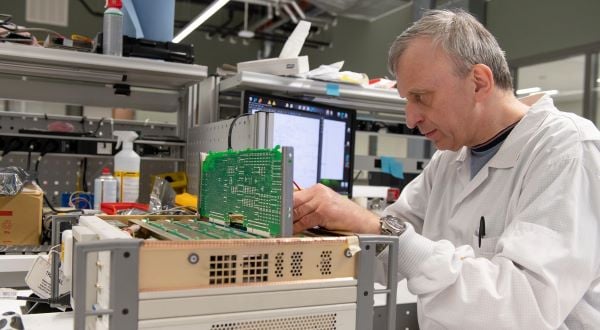
Trained staff check the output of the instrument against a reference standard that is always known for its accuracy. In case differences are observed, technicians calibrate the device until its readings match the reference. It includes advanced tooling and a lot of documentation to track everything that happens in the comparisons. The final report serves as evidence that the instrument is complying with the desired levels of accuracy. Such records help an organisation demonstrate compliance when auditors or inspectors come by.
Benefits for Quality Assurance
Ensuring accurate measurements is crucial for product consistency and performance comparison. It prevents order cancellations, production delays, and safety incidents arising from incorrect readings. Reliable measurements also enhance customers’ confidence that the product satisfies the specifications on which it is based. Companies can focus on innovation instead of wasting time on debugging unexpected measurement issues.
Supporting Safety and Compliance
It aims to keep workers, customers, and the environment safe while ensuring companies follow important rules. The calibration service helps organisations by ensuring that all measurement devices stay within acceptable limits. Authorities often require documentation of equipment regularly. That evidence can help avoid fines or closures when inspectors show up at a worksite.
Improving Operational Efficiency
Instruments that provide poor or inaccurate results can also cause downtime, wasted assets or redundant work. Calibration services eliminate all these hurdles by catching issues before they become flaws. Proper equipment maintenance ensures that the machines run smoothly, minimising production downtime. When calibrations are done on time, it also ensures that organisations can budget to repair/replace these tools to prevent sudden costs. Trustworthy data is vital to efficient operations, and regular calibration can improve this greatly.
Choosing a Reliable Service Provider
Choosing a calibrator that has experience, expertise, and the right attention to detail is key. Seek professionals who will pay attention to work with established reference standards and will be clear with their records. A stable partnership also relies on good communication between the parties, along with having transparency about how the processes work. When handing an instrument over to a trained technician, you can be assured that the instrument is given the care it needs to operate accurately and efficiently.
Conclusion
Different industries thrive on accurate measurements. This is where calibration services come in, maintaining reliable data and aiding both quality and safety. By catching small problems before they develop into larger ones, regular checks save time and resources later in the long run. When professionals carry out the calibration, they ensure that the task is done correctly and provide peace of mind that the results will be accurate. When instruments are consistently accurate, they enable definite choices, more secure practices, and increased trustworthiness.
